Analysis / EXPLAINER
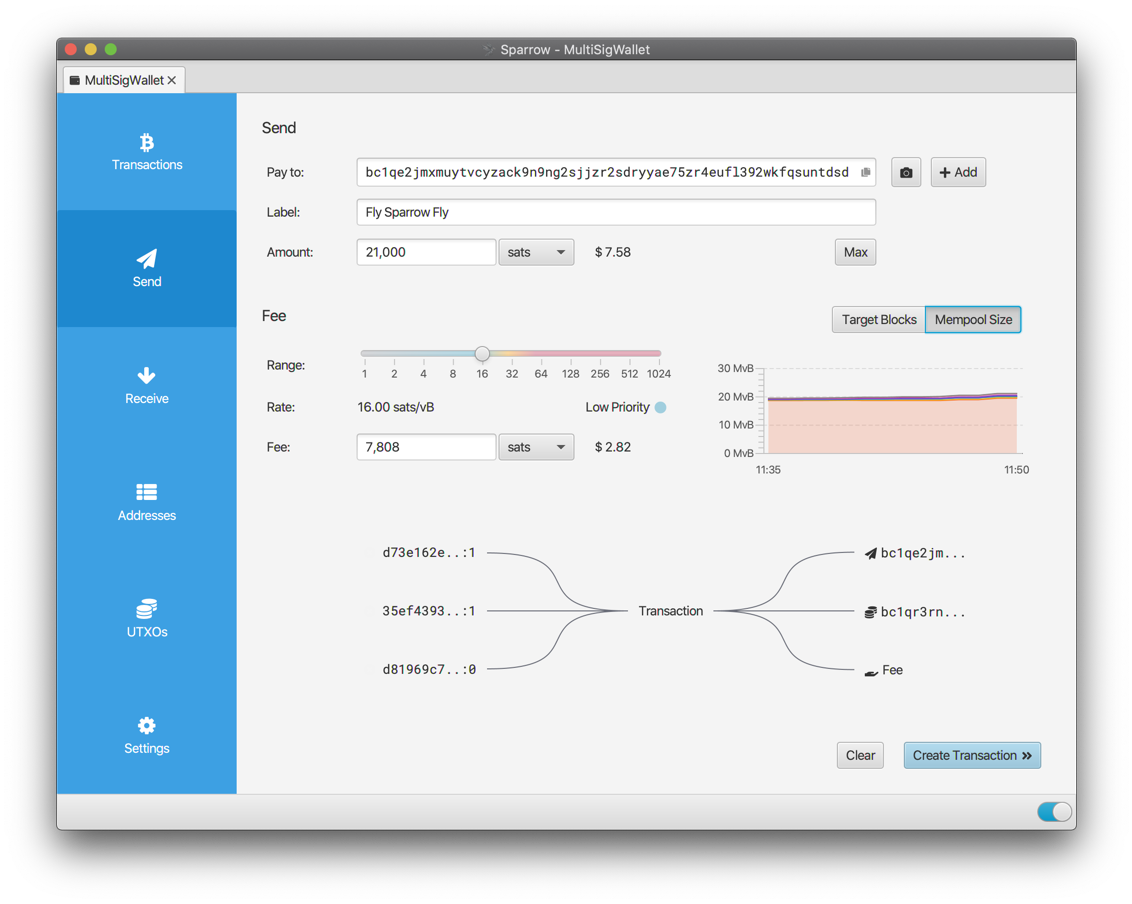
One ticker. Several different risks.
A network, its native asset, and a product sold around it are different objects of analysis.
Mechanism & risk
3 min readRead entry ↗
Research index / 132 entries
Read the history. Inspect the mechanism. Follow the source.
Historical event dates and source dates are separate from the preparation date of this local edition.
132 entries
Analysis / EXPLAINER
A network, its native asset, and a product sold around it are different objects of analysis.
Custody / EXPLAINER
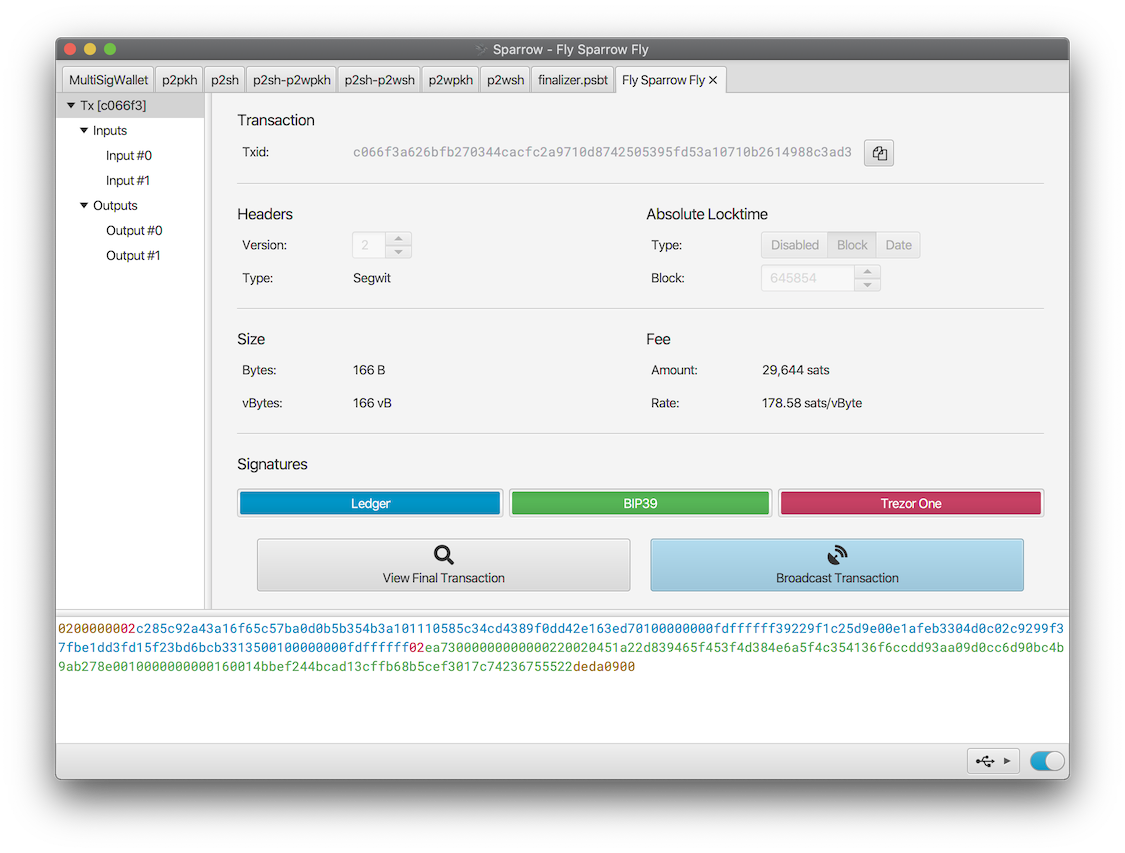
The network can keep operating while access to your assets fails. Begin with who can authorize a transfer.
Bitcoin / EXPLAINER
Chaum's 1982 paper hides a note's content from its issuing bank, a privacy trick Bitcoin's design removes the issuer from entirely.
Bitcoin / FROM THE ARCHIVE
Eric Hughes's manifesto set selective disclosure as privacy's goal, a standard a public ledger only partly meets.
Bitcoin / FROM THE ARCHIVE
Adam Back's 1997 postage scheme priced a message in computing time, the mechanism Bitcoin's paper reused for a different job.
Bitcoin / EXPLAINER
b-money and bit gold described most of digital cash's parts but not how strangers agree on one shared history.
Bitcoin / FROM THE ARCHIVE
The coinbase text dates block zero to January 2009 and the reference client's own code makes its reward permanently unspendable.
Bitcoin / FROM THE ARCHIVE
Satoshi Nakamoto's release post states a 21 million coin cap, a schedule enforced by validation, not by trust in the author.
Bitcoin / FROM THE ARCHIVE
The first person-to-person transaction consumed one prior output and created two, one of them ordinary change.
Bitcoin / FROM THE ARCHIVE
The 2016 paper keeps the blockchain as the final enforcement layer and requires a channel participant to keep watching it.
Bitcoin / FROM THE ARCHIVE
An integer overflow let one transaction mint value past the 21 million cap until a same-day patch and reorganisation reversed it.
Custody / FROM THE ARCHIVE
Pay-to-script-hash moved custody conditions like multisignature into the protocol itself, activating in April 2012.
Bitcoin / EXPLAINER
Bitcoin recalculates its target from observed block times every 2016 blocks, not from live hashrate.
Bitcoin / EXPLAINER
The protocol keeps no account balances, only outputs a wallet sums, which is why change outputs exist.
Bitcoin / EXPLAINER
The developer guide ties confirmation thresholds to reorganisation risk, not to a declaration of finality.
Bitcoin / EXPLAINER
Fee estimates predict recent blocks, so a stuck payment usually reflects pricing, not a broken ledger.
Bitcoin / FROM THE ARCHIVE
The 2015 opt-in standard let senders replace pending transactions, unsettling zero-confirmation acceptance.
Bitcoin / FROM THE ARCHIVE
BIP37's bloom filters let a lightweight wallet skip most data while trading away some privacy.
Bitcoin / FROM THE ARCHIVE
BIP173 fixed Base58's error-detection gaps; BIP350 later fixed a checksum flaw in bech32 itself.
Custody / FROM THE ARCHIVE
BIP65 and BIP112 let a script wait on a date or an output's age, useful for custody but not a full plan.
Custody / FROM THE ARCHIVE
BIP174 standardised a transfer format between construction and signing, moving risk to that transfer step.
Custody / FROM THE ARCHIVE
The 2013 CoinJoin proposal breaks input-output linkage but never hid the network layer alone.
Bitcoin / FROM THE ARCHIVE
Block 210,000 shows the coinbase subsidy fall from 50 to 25 bitcoin on a fixed schedule, without a vote, committee or announcement.
Bitcoin / FROM THE ARCHIVE
BIP101, BIP102 and BIP103 proposed incompatible block size mechanisms within five weeks, showing no procedure existed to choose between them.
Bitcoin / FROM THE ARCHIVE
BIP141 and BIP143 moved signatures out of the transaction id and fixed a quadratic verification cost, activating 24 August 2017.
Bitcoin / FROM THE ARCHIVE
BIP148 set a flag day for economic nodes to enforce segwit; BIP91's lower miner threshold arrived first and the two converged.
Bitcoin / FROM THE ARCHIVE
The UAHF specification split one shared ledger into two rule sets on 1 August 2017 and required a dedicated replay-protection fix.
Bitcoin / FROM THE ARCHIVE
BIP340 and BIP341 let Schnorr-based cooperation resemble a single-key spend, activating 14 November 2021 at block 709,632.
Bitcoin / FROM THE ARCHIVE
The ord documentation shows inscriptions validated as ordinary transactions, with numbering assigned by an off-chain indexer.
Bitcoin / FROM THE ARCHIVE
Block 840,000 carried a scheduled subsidy halving and a coordinated Runes protocol launch, which the record treats as two separate facts.
Bitcoin / FROM THE ARCHIVE
Bitcoin Core 30.0 raised a relay-policy default, not a consensus rule, and Bitcoin Knots shows the alternative-implementation option at work.
Bitcoin / EXPLAINER
BIP360's draft addresses public keys exposed by spending, following NIST's August 2024 approval of post-quantum FIPS standards.
Custody / FROM THE ARCHIVE
Federal filings on the Silk Road case record how prosecutors took custody of bitcoin and what happened to the network afterward.
Analysis / FROM THE ARCHIVE
The first US federal guidance on virtual currency defined which roles must register as money transmitters.
Analysis / FROM THE ARCHIVE
The 2014 notice treated virtual currency as property, so spending it can trigger a reportable gain or loss.
Analysis / FROM THE ARCHIVE
The Coinflip settlement order found bitcoin and virtual currencies are commodities under the Commodity Exchange Act.
Analysis / FROM THE ARCHIVE
A CFTC statement on CME and Cboe's bitcoin futures explains self-certification and the risks it did not remove.
Analysis / FROM THE ARCHIVE
MicroStrategy's SEC filing and Tesla's 10-K disclose how corporate treasury bitcoin creates custody and impairment risk.
Analysis / FROM THE ARCHIVE
The Bitcoin Law required merchants to accept bitcoin; the IMF's review found adoption stayed low.
Analysis / FROM THE ARCHIVE
IMF documents record a 2025 law change making bitcoin acceptance voluntary as a condition of a lending deal.
Bitcoin / FROM THE ARCHIVE
The SEC's omnibus order let spot bitcoin ETPs trade while the chair's statement explicitly disclaimed endorsement.
Analysis / FROM THE ARCHIVE
The D.C. Circuit vacated the SEC's Grayscale denial for not explaining its different treatment of similar products.
Analysis / FROM THE ARCHIVE
A UK court found Craig Wright fabricated the evidence behind his claim to be Satoshi Nakamoto and referred the case for possible prosecution.
Custody / FROM THE ARCHIVE
MtGox's own February 2014 filing disclosed missing bitcoins and opened a rehabilitation case that took a decade to begin repaying creditors.
Custody / FROM THE ARCHIVE
DOJ and ICE records trace 119,754 bitcoin stolen from Bitfinex in 2016 to a 2022 arrest and a multibillion-dollar seizure.
Custody / FROM THE ARCHIVE
The OSC found Quadriga's founder secretly traded against clients and that customer coins were not held where the exchange said they were.
Custody / FROM THE ARCHIVE
A single deleted contract library disabled every Parity multi-signature wallet deployed after July 2017, freezing the ether inside them.
Custody / FROM THE ARCHIVE
A judge found Celsius's Terms of Use gave the company title to Earn account coins, leaving depositors as unsecured creditors.
Custody / FROM THE ARCHIVE
Coinbase's own quarterly filing warned custodial crypto could become bankruptcy estate property, leaving customers as unsecured creditors.
Custody / FROM THE ARCHIVE
SEC and DOJ records describe customer deposits diverted from FTX to Alameda Research, ending in bankruptcy and a 25-year sentence.
Custody / FROM THE ARCHIVE
Treasury and CFTC settlements record Binance's guilty plea to anti-money-laundering and sanctions violations in a $4.3 billion resolution.
Crypto / FROM THE ARCHIVE
An SEC order found BlockFi's interest accounts were securities and fined the company $100 million for the unregistered offering.
Custody / FROM THE ARCHIVE
An FBI notice and Safe's own statement date a $1.5 billion theft to a compromised signing interface, not a broken key.
Crypto / FROM THE ARCHIVE
Treasury's record of the $620 million Ronin theft, read against Ethereum's own bridge documentation, treats a validator-secured bridge as custody.
Custody / EXPLAINER
Kraken's and Binance's own proof-of-reserves pages describe what a Merkle-tree check verifies, and where each stops short of solvency.
Custody / EXPLAINER
Circle and Tether both describe attestations against a named standard, and neither claims to have delivered a full financial audit of reserves.
Crypto / FROM THE ARCHIVE
The NYAG settlement and a separate CFTC order each date periods when Tether's stated reserves fell short of its public claims.
Crypto / FROM THE ARCHIVE
Circle's own disclosure and the federal regulators' joint statement date how $3.3 billion of USDC's reserves became briefly inaccessible.
Custody / EXPLAINER
WBTC's own site names the custodial and merchant structure that a holder of the token is actually relying on.
Custody / EXPLAINER
An FBI advisory and a new FCC rule date how far SIM-swap losses grew and what carriers must now do about it.
Custody / EXPLAINER
The FBI's 2023 report ties most reported cryptocurrency losses to confidence-based investment fraud, not protocol failures.
Custody / EXPLAINER
Bitcoin's own developer guide and two BIPs define what an m-of-n threshold enforces, and what it leaves to the people holding the keys.
Crypto / EXPLAINER
The 2014-published text generalised Bitcoin's ledger into a gas-metered virtual machine, not an audited system.
Crypto / FROM THE ARCHIVE
The 42-day sale's own terms called ether a product with no guaranteed value and no voting rights.
Crypto / FROM THE ARCHIVE
The 30 July 2015 genesis block shipped with a throttled gas limit and explicit warnings of bugs.
Crypto / FROM THE ARCHIVE
EIP-20 fixed six functions and two events for tokens; it says nothing about a token's value or legitimacy.
Crypto / FROM THE ARCHIVE
A recursive call drained about 3.6 million ether on 17 June 2016 before the contract's bookkeeping caught up.
Crypto / FROM THE ARCHIVE
The 25 July 2017 report applied the investment-contract test to a $150 million offering and issued no charges.
Crypto / FROM THE ARCHIVE
Seven agencies ordered ICOs stopped and refunded on 4 September 2017, targeting institutions rather than protocols.
Analysis / FROM THE ARCHIVE
The 2019 framework lists Howey factors for digital assets but states plainly that it binds no one.
Crypto / FROM THE ARCHIVE
The 2018 standard guarantees a unique token ID and its owner, not the file that identifier represents.
Crypto / EXPLAINER
The token stores an identifier and a URI; what that URI resolves to is a separate, checkable question.
Crypto / FROM THE ARCHIVE
MakerDAO's own whitepaper and a company retrospective date Single-Collateral Dai's launch to 18 December 2017 and detail its collateral mechanism.
Crypto / FROM THE ARCHIVE
MakerDAO's own postmortem records how network congestion let liquidation auctions clear near zero and forced an MKR debt auction.
Crypto / FROM THE ARCHIVE
A November 2018 launch and its own documentation show how a constant-product formula quotes price and what a liquidity provider actually holds.
Analysis / EXPLAINER
Uniswap's own documentation gives the formula for divergence loss and shows why a yield figure must beat it, not just add to it.
Crypto / FROM THE ARCHIVE
A founder's own announcement and a governance record show how COMP's distribution began and why its yield depends on COMP's own value.
Crypto / EXPLAINER
EIP-3156 and Aave's own account of its launch show why atomicity removed the capital requirement from testing a protocol's weak points.
Crypto / EXPLAINER
Uniswap's own documentation shows why a spot price is manipulable and what a time-weighted average changes about the cost of moving it.
Crypto / FROM THE ARCHIVE
Christie's own record of the sale and the NFT standard it relied on show what the auctioned lot actually transferred on chain.
Crypto / FROM THE ARCHIVE
Official posts from Sushi and Uniswap show how rented liquidity moved in 2020 and why the incumbent answered with a token of its own.
Analysis / EXPLAINER
Uniswap and Compound's own governance documentation, read against the SEC's Howey framework, show what a vote actually grants and what it does not.
Crypto / FROM THE ARCHIVE
The London upgrade set a protocol-computed base fee that is destroyed each block, which changed fee predictability but not fee levels.
Crypto / FROM THE ARCHIVE
The April 2023 upgrade let validators exit and stakers withdraw, turning a one-way deposit into a position with an exit queue.
Crypto / FROM THE ARCHIVE
Blob transactions from EIP-4844 cut the cost of posting rollup data, at the price of that data expiring after about 18 days.
Crypto / EXPLAINER
Ethereum's security reaches a rollup only as far as its fraud proofs, sequencer and upgrade keys pass it through.
Crypto / FROM THE ARCHIVE
The May 2025 upgrade let ordinary accounts run contract logic and raised the effective staking cap, with a new risk behind each.
Crypto / EXPLAINER
Tokens such as stETH track a pool's accounting of staked ether and its rewards, and can trade away from that claim's value.
Crypto / EXPLAINER
MEV lets block producers and searchers extract value from transaction ordering, usually seen by the trader only as a worse price.
Crypto / EXPLAINER
Slashing punishes provable misconduct while inactivity leaks only drain absent validators, and treating the two as one penalty misreads the system.
Crypto / FROM THE ARCHIVE
August 2020's repeated reorgs showed that a minority proof-of-work chain's security is relative to what hashpower can be rented.
Crypto / FROM THE ARCHIVE
OFAC designated Tornado Cash in 2022; the Fifth Circuit held in 2024 that its immutable contracts were not property under the sanctions statute.
Crypto / FROM THE ARCHIVE
The 2011 announcement thread shows a name registry secured by merged mining, and what that registry does not verify.
Crypto / FROM THE ARCHIVE
The 2013 Exodus Address campaign shows buyers funding a specification, with the software still to come.
Crypto / FROM THE ARCHIVE
The SEC's complaint records a peg with no asset reserve, and why the May 2022 failure was a design outcome, not a hack.
Analysis / FROM THE ARCHIVE
The 2023 Ripple order shows Howey turning on the buyer's contract and knowledge, not on the asset sold.
Crypto / FROM THE ARCHIVE
The EU regulation's phased dates and explicit exclusions show what its licence covers and what it deliberately leaves out.
Crypto / FROM THE ARCHIVE
The 2025 statute defines payment stablecoins, restricts issuers and reserves, and defers most detail to rulemaking.
Analysis / FROM THE ARCHIVE
The 2019 guidance and its 2021 update require providers to pass sender and receiver data, a rule with no reach into peer-to-peer transfers.
Crypto / FROM THE ARCHIVE
The SEC's May 2024 order says the products hold unstaked ether, and what that costs a holder compared with staking directly.
Bitcoin / EXPLAINER
Cambridge's methodology infers hardware and electricity assumptions from hashrate, which is why it publishes a range, not one number.
Analysis / FROM THE ARCHIVE
The 2015 regulation covers custody explicitly, and the department's own surrender list shows the licence is a floor, not a guarantee.
Bitcoin / FROM THE ARCHIVE
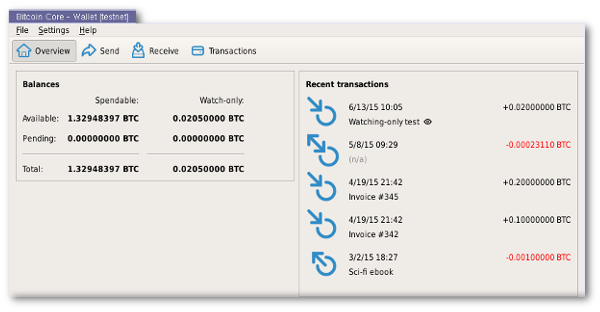
What the 2008 proposal actually assembled, and what its security argument assumes.
Bitcoin / FROM THE ARCHIVE
BIP50 records how valid-looking software versions disagreed and why coordination mattered.
Crypto / FROM THE ARCHIVE
The 2016 intervention changed account state, and the debate exposed the limits of simple immutability slogans.

Crypto / FROM THE ARCHIVE
The 2022 upgrade replaced mining with validators while preserving existing application state.
Bitcoin / EXPLAINER
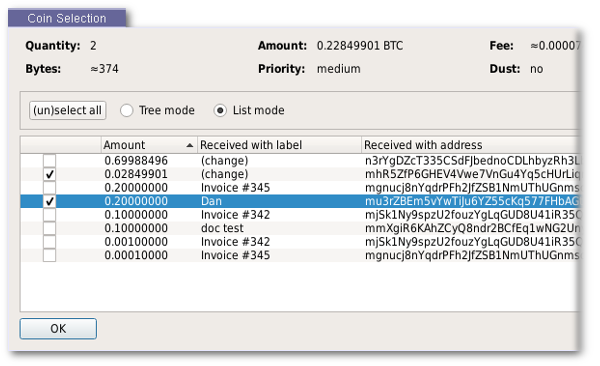
Bitcoin's declining subsidy makes the fee market a central long-run security question.
Crypto / EXPLAINER
Cross-chain convenience adds a verification path, contracts, and sometimes an operator to the risk ledger.
Custody / EXPLAINER
A seed can simplify key recovery, but only if the actual wallet, settings, and secrets are understood.
Crypto / EXPLAINER
USDC's issuer terms show why market trading and direct conversion into dollars are separate questions.

Crypto / FROM THE ARCHIVE
Uniswap v3 made capital more targeted, while asking providers to understand range and inventory risk.
Analysis / EXPLAINER
A payment protocol can be useful without proving that an attached asset is necessary or valuable.
Custody / EXPLAINER
A practical workflow for monitoring cold storage without handing every address and balance to an avoidable observer.
Custody / EXPLAINER
A recovery drill should prove the backup while keeping its most dangerous secret off ordinary computers and websites.
Custody / EXPLAINER
Output descriptors preserve the script, path and account context that makes a set of keys usable across wallet software.
Custody / EXPLAINER
Copying an address from a wallet app is not the same as proving that the signing device controls it.
Custody / EXPLAINER
Matching the ticker and address is not enough when an exchange offers several settlement networks for one asset.
Bitcoin / EXPLAINER
The useful first move is classification: confirmed, conflicted, absent, replaceable or constrained by a dependent transaction.
Bitcoin / EXPLAINER
Troubleshoot failed sends and receives by separating outbound liquidity, inbound liquidity, routing and invoice state.
Bitcoin / EXPLAINER
Storage mode, indexes, wallet history and software provenance are decisions to make before the first long download.
Custody / EXPLAINER
Separate legal authority, operating instructions and spending credentials so one lost envelope or curious reader cannot do everything.
Custody / EXPLAINER
Version numbers matter less than source, model compatibility, signed release evidence and a verified recovery path.
Analysis / EXPLAINER
A practical workflow for separating chain data, decoded guesses and explorer-added identity claims.
Custody / EXPLAINER
Identify the spender, ceiling, duration and revocation path before an approval becomes durable authority.
Analysis / EXPLAINER
Follow standard storage slots, upgrade events and control contracts instead of treating verified proxy code as the whole system.
Analysis / EXPLAINER
Build a dated supply reconciliation instead of treating one dashboard number as a complete float calculation.
Analysis / EXPLAINER
Follow each fee from payer to controller to see whether token holders receive cash, discretion or only a vote.
Custody / EXPLAINER
Match a report to deployed code and unresolved findings before treating the audit badge as relevant evidence.
Custody / EXPLAINER
Judge scope, authorization, reporting and payout terms from published policy evidence—without probing live systems.
Custody / EXPLAINER
Use chain, contract and redemption path to tell look-alike stablecoins apart before a transfer.
Crypto / EXPLAINER
Map the canonical withdrawal, proof delay, gas requirements and fallback path instead of assuming a fast bridge is the exit.
Custody / EXPLAINER
Put deterministic limits between model output and wallet execution, then design revocation and reconciliation before funding.
Try another subject or clear your filters.